Amman Design Week Returns After Seven Years With 220 Designers
After a seven-year absence, Amman Design Week returns with 220 designers and 204 events, reactivating a distributed festival structure across the Jordanian capital.
- AuthorSophie Lindqvist
- ChannelProduct Design
- Filed
- Read2 min
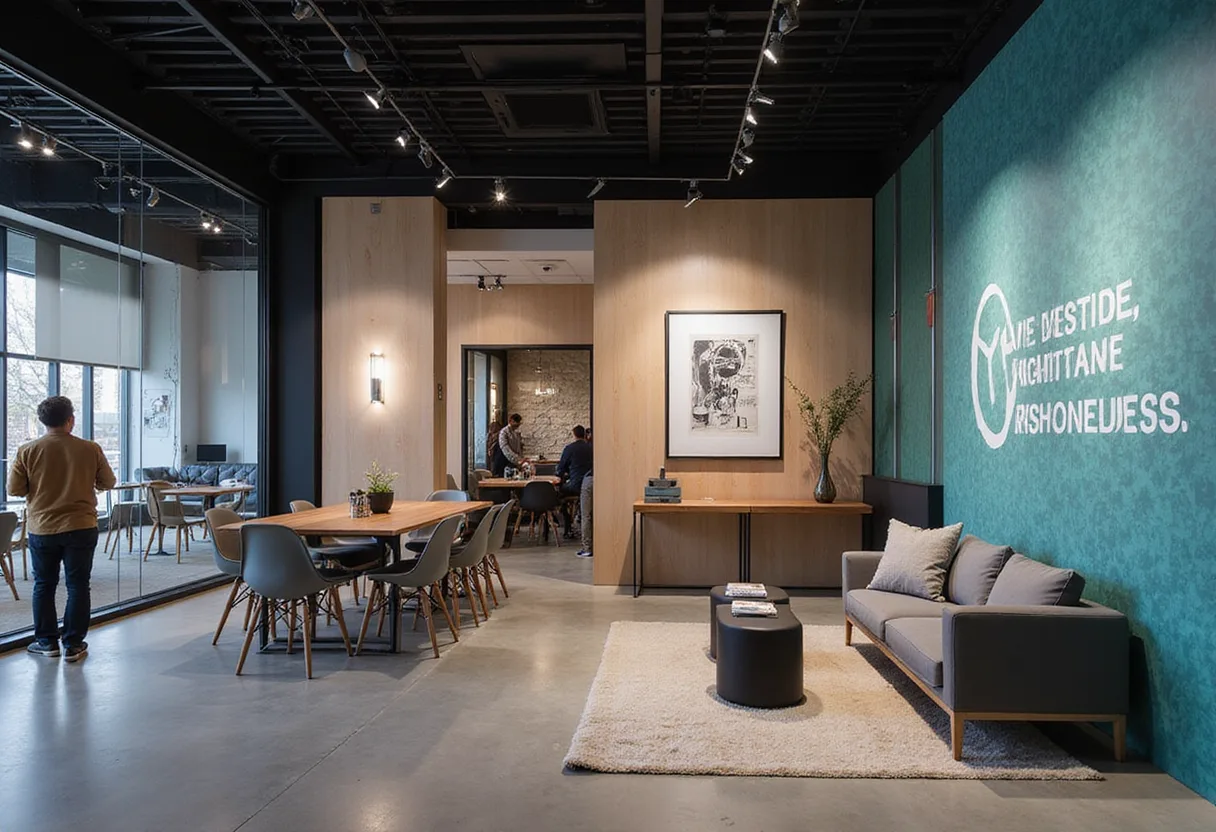
- Amman Design Week returns after a seven-year hiatus.
- The 2025 return edition features 220 participating designers.
- The program comprises 204 events distributed across Amman.
Amman Design Week is back. After a seven-year gap, the Jordanian festival returns with 220 designers and 204 events spread across the city — a scale that signals an attempt not simply to resume an interrupted program, but to reestablish a design infrastructure in a capital that has gone nearly a decade without one.
The numbers frame the ambition. Two hundred and twenty participating designers represents a substantial cohort for a regional event of this kind, and 204 events means the program operates less as an exhibition and more as a distributed calendar: talks, installations, workshops, and open studios distributed across Amman rather than concentrated in a single venue. For attendees, that distribution changes the visiting pattern itself — a festival of this shape rewards multi-day engagement over a single circuit, and it pushes audiences into parts of the city that a conventional expo hall would leave untouched.
Seven years is a long absence. In design-education terms, it is close to two full student cycles: designers who entered university programs when the last edition ran are now emerging into practice, and the 2025 edition functions, in part, as their first professional platform. A returning festival under those conditions carries a dual burden — reintroducing itself to an audience whose habits may have shifted, and introducing an entire generation of practitioners who have never shown at this scale before.
The framing that accompanies the return — a city that doesn't forget — points to how the organizers position the event: not as a fresh launch, but as the reactivation of a memory. Festivals of this type typically operate as annual anchors for local creative economies; they provide deadlines that force production, venues that force presentation, and audiences that force public dialogue. When that anchor is removed for seven years, the practices it supported either migrate abroad, go informal, or stall. The size of this edition's roster suggests a significant reservoir of work accumulated during the pause, work that now has a public outlet for the first time.
For regional observers, the return of Amman Design Week restores one node in a Middle Eastern design-event network that had thinned out. The 204-event program implies broad institutional participation — schools, studios, and independent spaces each contributing programming — which is the structure festivals need to survive beyond a single comeback edition.
The open question is continuity. A return after seven years proves demand from 220 designers willing to commit; what it cannot yet prove is whether the cadence will hold. If the organizers convert this edition's scale into a stable annual or biennial rhythm, Amman reenters the regional design calendar as a serious venue rather than a memory.
For now, the city has its festival back, and 204 reasons to walk through it.
Source: Google News: Product design
More from Sophie Lindqvist
Show full bio
Staff writer covering people, launches and day-to-day practice in Product and interaction design, design systems at Interface Wire.
64 articles