Eleven TV Makers Answer 17 Questions on Smart TV Data Collection
A 17-question survey found ACR off by default at LG, Samsung, Roku and Amazon, but a Northeastern study shows Vizio still sent data after opt-out. Hisense ignored five contact attempts.
- AuthorTom Whitfield
- ChannelProduct Design
- Filed
- Read4 min
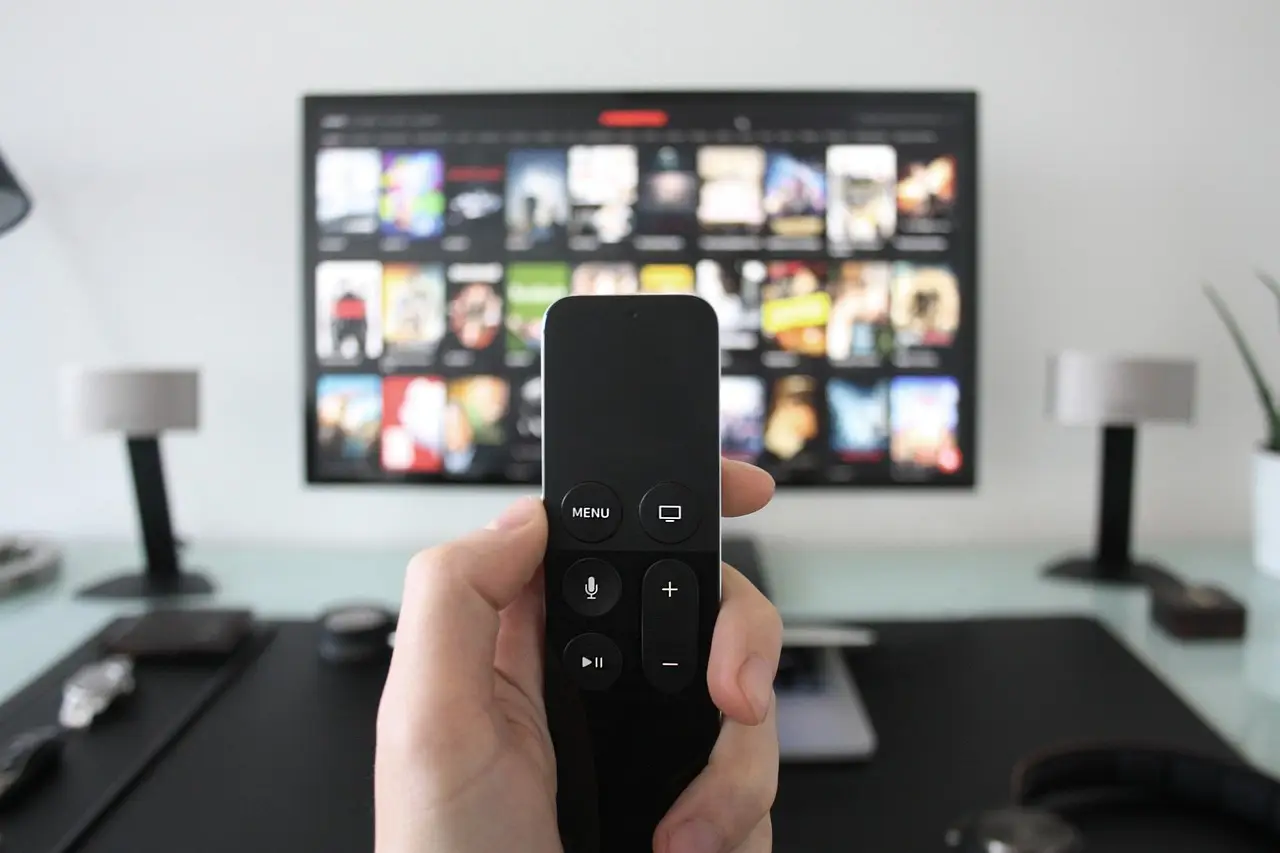
- 11 companies received 17 yes-or-no questions; Hisense ignored five contact attempts
- LG, Samsung, Roku and Amazon all ship ACR off by default; Google enables telemetry and personalization at setup
- A Northeastern University study found Vizio kept sending data after users opted out
- Roku TVs have no built-in microphones; Apple TV 4K uses no ACR
- No answering company allows a full opt-out from all data transmission
A survey of 17 yes-or-no questions sent to 11 television and streaming device manufacturers has produced answers from the three largest TV makers and every major streaming device company — while Hisense ignored five contact attempts entirely. The Verge, which conducted the survey after LG was accused of spying through its televisions, invited Amazon, Apple, Google, Hisense, LG, Panasonic, Roku, Samsung, Sony, TCL and Walmart's Vizio to respond one month before publication.
The questions were deliberately binary. One asked: "Do your TVs store any recorded audio, or transcripts based on audio, captured in the home?" The format prevented companies from deflecting toward privacy policies written in dense legalese.
Named respondents included Chris De Maria of LG, Sarah Novatt of Roku, Frank Giancamilli of Samsung, Alex García-Kummert of Google, Emily Ewing of Apple, Eric Sveum of Amazon and Rob Manfredo of TCL.
What did the survey find on microphones and audio?
Amazon, Samsung and LG all stated that microphones activate only on user action — a pressed button or a spoken wake word — and do not passively monitor homes. LG said wake-word detection runs locally, and audio without a wake word is "promptly deleted" rather than stored, transcribed or transmitted.
Samsung answered "No" on storing recordings on the device but acknowledged that voice commands and transcripts sit on secure servers to process requests. Google stores audio only if the account-level Voice & Audio Activity setting is enabled; that setting is off by default.
Roku noted that Roku televisions have no built-in microphones at all — only some remotes do.
What does automatic content recognition actually capture?
No answering company admitted to collecting screenshots, screen recordings or video of viewing. LG said its ACR uses audio fingerprints generated from content audio through the TV's internal soundboard, not images. Google TV's platform software does not use ACR, though third-party hardware makers may install their own.
Apple stated plainly that Apple TV 4K uses no ACR whatsoever.
Default settings diverge sharply. LG said voice recognition, ACR and interest-based advertising are off by default, each requiring separate opt-in agreements. Samsung said its Viewing Information Services, which include ACR, are opted out by default. Roku's Smart TV Experience is off by default in the United States. Amazon's ACR is also default-off. Google, by contrast, enables Usage & Diagnostics sharing, personalized recommendations and Web & App Activity during setup unless users decline.
Can users fully opt out?
Every answering company said no. Amazon, Google, Roku, Samsung and TCL all confirmed that basic platform operation — app downloads, streaming, security updates — requires some data transmission. LG allows withdrawal from the Privacy Policy entirely, but that disables smart TV services, leaving only live TV and HDMI inputs.
A Northeastern University study cited in the report complicates the picture: Walmart's Vizio kept sending data after users opted out. Vizio called it "routine operational data used to support the Vizio experience," not ACR. Samsung and Roku traffic was limited after opt-out but not stopped completely.
What other data do the sets transmit?
Google TV transmits public IP addresses and Wi-Fi scan data, including SSID and BSSID, to determine approximate or precise device location. LG uses IP addresses and nearby Wi-Fi MAC addresses for ACR-related location estimates. TCL collects IP and SSID data but only to identify a country or city. Samsung collects no GPS coordinates, SSIDs or street addresses.
All answering vendors store account and location data in the cloud. TCL names its providers: Amazon Web Services, Microsoft Azure and Google Cloud.
Encryption varies. Google applies file-based on-device encryption and TLS in transit but no end-to-end encryption, because its servers must decrypt requests. LG encrypts account information but said speech-to-text results may be stored unencrypted. Amazon, TCL and Samsung confirmed encryption in transit; Samsung additionally hashes ACR data.
Deletion is possible at every answering company: through privacy.apple.com, myactivity.google.com, privacy.roku.com, LG's TV settings, Samsung's advertising ID reset and TCL's official privacy request channels.
Panasonic, Sony and Vizio declined to answer the questions altogether. The Verge said it will publish their responses if any of them agrees to answer directly, leaving readers to weigh which defaults and deletions they find acceptable.
Source: theverge.com
More from Tom Whitfield
Show full bio
Correspondent covering companies, deals and strategy in Product and interaction design, design systems at Interface Wire.
94 articles