Federal Accessibility Deadline Slips One Year, GovTech Reports
GovTech reports the federal accessibility deadline will move one year later, resetting procurement, remediation, and audit workflows against WCAG 2.1 AA under Section 508.
- AuthorSophie Lindqvist
- ChannelAccessibility
- Filed
- Read3 min
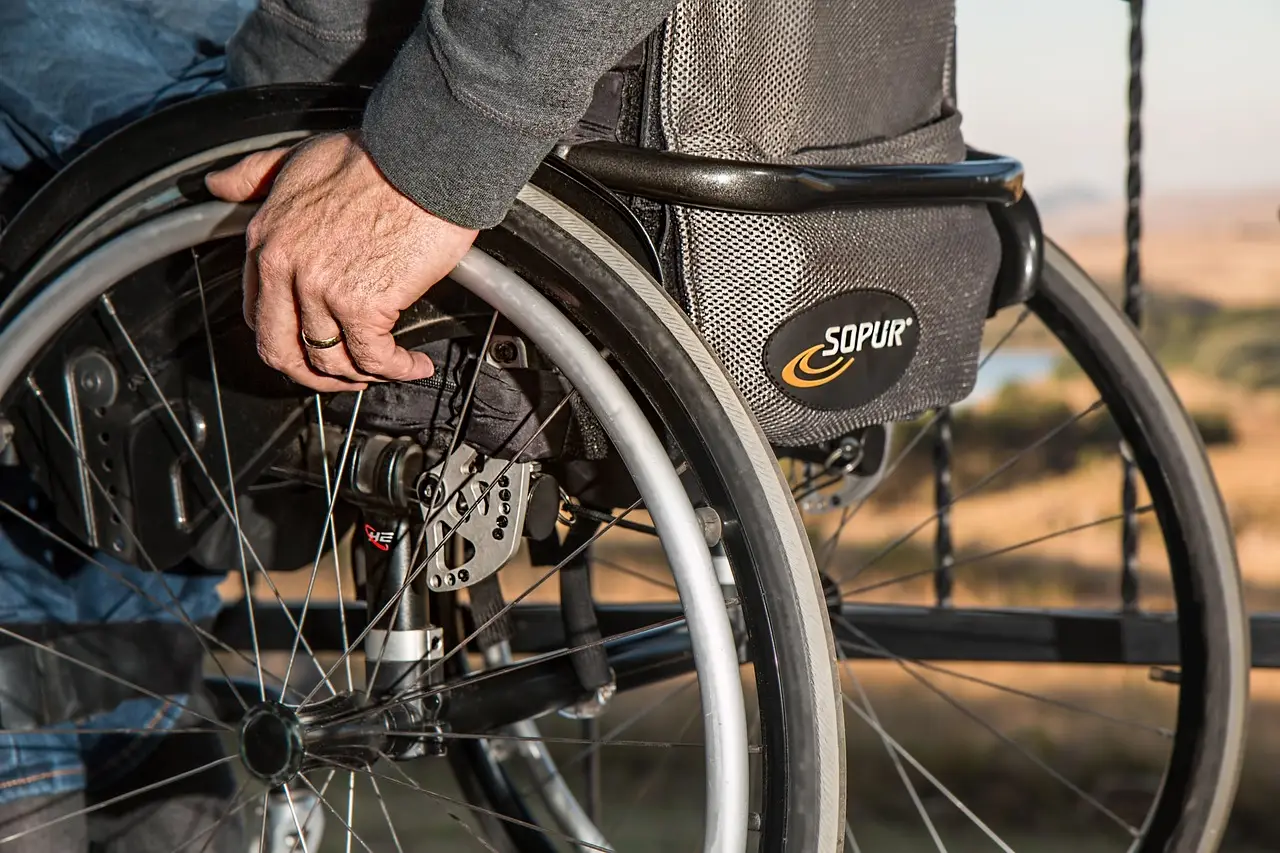
- GovTech reports the federal digital accessibility deadline moves one year later
- WCAG 2.1 Level AA remains the conformance target under Section 508 of the Rehabilitation Act
- The revised date and issuing authority have not yet appeared in public filings
- Section 508 covers Success Criteria including 1.4.3 contrast, 2.1.1 keyboard access, and 4.1.2 programmatic labeling
- Procurement rubrics, remediation backlogs, and audit budgets rank among the first affected workstreams
The United States will push back its federal digital accessibility deadline by twelve months, GovTech reported this week. The exact revised date and the issuing authority have not yet appeared in public filings.
Designers, developers, and procurement officers across federal agencies had been calibrating build-and-buy cycles against the original milestone, which required WCAG 2.1 Level AA conformance across public-sector digital services under Section 508 of the Rehabilitation Act. The standard itself has not changed, and the conformance target remains Level AA rather than any newer revision.
What does the deadline govern in practice?
- Conformance with WCAG 2.1 Level AA Success Criteria, including 1.4.3 contrast minimums, 2.1.1 keyboard access, and 4.1.2 programmatic labeling
- Synchronized captions for prerecorded media per Success Criterion 1.2.2
- Consistent navigation and component identification per Success Criterion 3.2.3
- Document accessibility for downloadable PDFs and other office file formats covered by Section 508
What does a twelve-month shift change for practitioners?
A one-year slip reaches three workstreams already running against the original date. Solicitation language references a later milestone, which forces contracting officers to rewrite performance work statements and re-score active RFPs. Remediation tickets that had been ordered against the original deadline lose their hard ordering, so engineering managers will choose between pulling work forward and freeing capacity for other roadmap items. Audit budgets earmarked for the previous quarter move later in the fiscal calendar, which gives internal assessors more time to add manual keyboard or screen-reader passes to their scope. Vendors selling automated accessibility scanning, VPAT preparation, and manual keyboard testing should expect a brief slowdown followed by compressed demand late in the new window.
What does the delay not change?
WCAG 2.1 Level AA remains the conformance target. No public communication has signaled a version bump to WCAG 2.2. Component libraries, design tokens, and automated test thresholds that teams built around 2.1 AA still match what auditors verify, so the underlying technical work stays the same. The slip is calendar, not criterion, and it does not narrow the surface area any team must cover.
What should teams watch next?
Legal counsel will track the Federal Register notice, which carries the operative date and any grandfather clauses for procurements already in flight. Pending matters that cited the original milestone will likely refile schedules to track the new date. State-level rules that reference the federal Section 508 standard may or may not follow the same shift, so privacy and accessibility leads will want to read each jurisdiction's guidance before pausing work. In-house teams will weigh two choices: pause remediation sprints and reclaim capacity, or hold the original timeline and use the freed year for deeper audits and richer assistive-technology testing.
The slip buys twelve months but does not lower the standard. Teams that continue shipping against WCAG 2.1 AA remain positioned for the reset. Teams that pause lose ground they will not recover cheaply.
Source: Google News: WCAG accessibility
More from Sophie Lindqvist
Show full bio
Staff writer covering people, launches and day-to-day practice in Product and interaction design, design systems at Interface Wire.
64 articles