Justice Department finalizes web accessibility rule for governments
The Justice Department has finalized a rule requiring state and local government websites to meet a concrete accessibility standard, closing a decades-old definitional gap.
- AuthorRebecca Stone
- ChannelAccessibility
- Filed
- Read2 min
- The Justice Department finalized a rule requiring state and local government websites to be accessible to people with disabilities
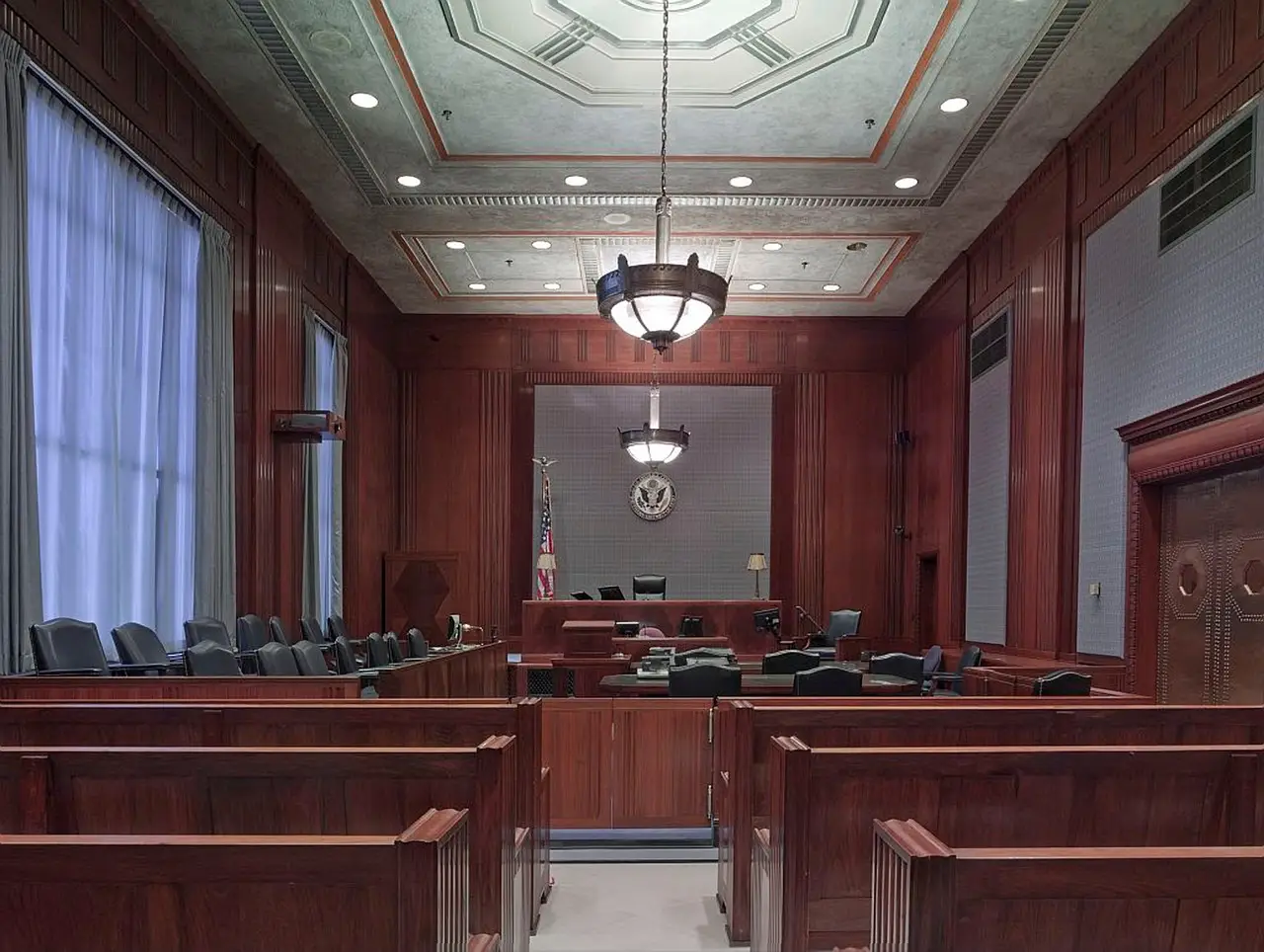
- The rule covers entities under Title II of the Americans with Disabilities Act, including municipalities, schools, libraries and courts
- The rule gives public entities a concrete technical benchmark for web accessibility for the first time
The U.S. Department of Justice has finalized a rule that requires state and local governments to make their websites accessible to people with disabilities. The rule closes a gap that has existed since the Americans with Disabilities Act became law: the statute demanded equal access to public services, but it never spelled out what “accessible” means for a website.
That absence of a technical standard was the mechanism behind decades of litigation. Governments, schools, libraries and public hospitals faced lawsuits over inaccessible sites without a clear benchmark to fix them against. Now they have one.
What does the rule actually change?
The rule gives public entities a concrete, testable definition of web accessibility rather than leaving compliance to case-by-case interpretation. For designers and developers working on government digital services, that shifts the work from guesswork to a checklist: measure the site against the standard, fix what fails, document the result.
It also changes procurement. A city buying a content management system or a payment portal can now write the accessibility standard into the contract and hold vendors to it. That's a practical lever most redesign projects already have but rarely use.
Who has to comply, and what does it cover?
The mandate applies to state and local government entities — the public sector covered by the ADA's Title II. That includes:
- County and municipal websites
- Public schools, community colleges and universities
- Public libraries and transit agencies
- Courts, health departments and other service portals
For residents who use screen readers, keyboard-only navigation or captions, the practical stakes are direct: renewing a license, paying a water bill, reading a school announcement. When a public form fails accessibility checks, the service behind it effectively doesn't exist for that user.
Why does a technical standard matter more than a legal principle?
A principle tells you what the outcome should be. A standard tells you how to build it. Accessibility practitioners have argued for years that the absence of a named technical benchmark let agencies defer fixes indefinitely, because no one could say precisely when a site crossed the line into non-compliance.
The finalized rule changes that bargaining position. A resident who can't complete an online transaction can point to a published federal standard, and the agency can point to the same document as its target. Shared reference, shared accountability.
What should design teams do now?
Teams responsible for public-sector sites should start with an audit against the technical standard the rule adopts, then sequence fixes by user impact — the forms and transactions residents must complete, before marketing pages nobody depends on. Automated testing catches a fraction of the failures; manual testing with assistive technology catches the rest, and the difference between the two is where most lawsuits originated.
The rule's arrival also signals where enforcement attention will concentrate next. Governments that move early, and document their remediation plans, will be in a far stronger position than those waiting for the first complaint.
Source: Google News: WCAG accessibility
More from Rebecca Stone
Show full bio
News editor covering technology and product news in Product and interaction design, design systems at Interface Wire.
50 articles