Meta Gives Muse an Adorable Mascot Amid AI Doomerism
Meta has attached an adorable mascot to its AI model Muse, a design move that reads as a deliberate counterweight to the current climate of AI doomerism.
- AuthorJames Calloway
- ChannelAI & Emerging Interfaces
- Filed
- Read2 min
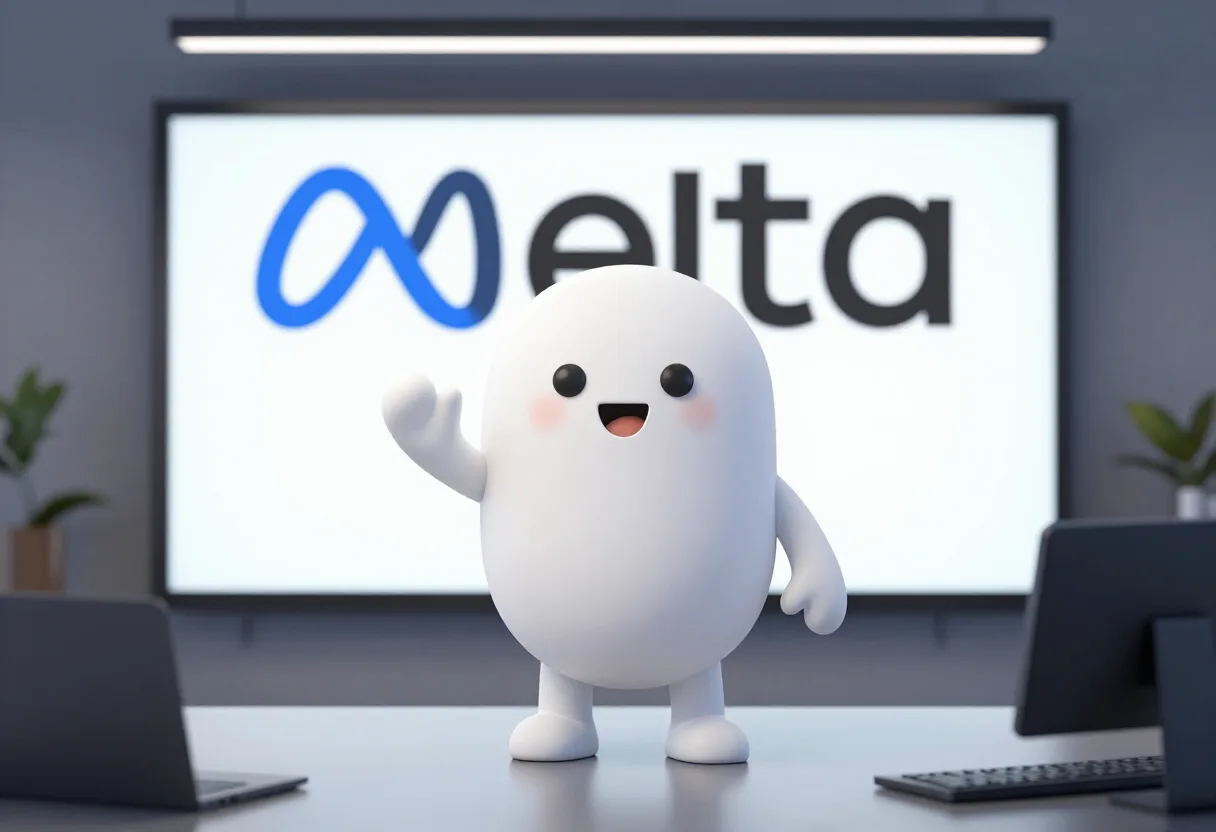
- Meta has given its AI model Muse an adorable mascot, as reported by Axios.
- The mascot arrives amid a broader cultural climate of AI doomerism.
- The design choice positions visual identity as a counterweight to public AI anxiety.
Meta has given its AI model Muse a mascot, and the company has chosen an explicitly adorable one. The move lands at a moment when public conversation around artificial intelligence tilts heavily toward alarm, and the design decision reads as a deliberate counterweight.
Axios, which reported the news, framed the mascot directly against that backdrop: "Meta gives Muse an adorable mascot amid AI doomerism." The phrasing is doing quiet work. It positions a visual identity choice — a friendly character attached to an AI product — as an answer to a mood rather than a mere branding exercise.
Character mascots carry a long pedigree in interface design. From Clippy's cautionary tale to the deliberately rounded, soft-surfaced assistants that followed, designers have used illustrated characters to lower the perceived risk of new technology. An adorable mascot signals harmlessness. It invites touch. It tells the user, at a glance, that the system behind the character is meant to be approached rather than feared.
For Meta, the stakes of that signal are unusually high. The company has spent years pushing AI features across its family of apps, and it competes in a market where rivals differentiate as much through personality and presentation as through benchmark scores. Muse, as the model receiving this treatment, now carries a face — and faces shape expectations about how a system will behave before a single prompt is typed.
The timing is the story. AI doomerism — the broad cultural current of anxiety about machine intelligence, from job displacement to extinction-risk arguments — has colored coverage of every major model release. A mascot cannot rebut those arguments on their merits. What it can do is manage the emotional register of the first encounter, which is where most users actually meet AI products.
This is a familiar pattern in the history of consumer technology. Each wave of computing power has arrived wrapped in friendlier interfaces: desktop metaphors for personal computers, conversational UI for mobile assistants, and now character design for generative models. The mascot is the interface metaphor of the AI era, softening a technology most users experience as an opaque text box.
Whether adorableness translates into sustained trust is a separate question, and one the industry has not yet answered with data. But Meta's choice indicates where the company believes the persuasion battle will be won: not in whitepapers, but in the fraction of a second when a user decides whether an AI feels like a tool, a threat, or a companion.
Expect more of this. As AI products multiply and differentiate less on raw capability, personality-driven visual identity will likely become a primary competitive surface — and Muse's mascot is an early marker of that shift.
Source: Google News: Product design
More from James Calloway
Show full bio
Senior reporter covering regulation, policy and their impact on Product and interaction design, design systems at Interface Wire.
63 articles