Ring's $249.99 AI Drone Cam Ships January 2027, Six Years Late
Ring's $249.99 Drone Cam ships January 27th, 2027 — an AI-piloted indoor drone with 5-8 minutes of flight time, TAKE encryption, and a cloud brain that can't work without Wi-Fi.
- AuthorJames Calloway
- ChannelAI & Emerging Interfaces
- Filed
- Read4 min
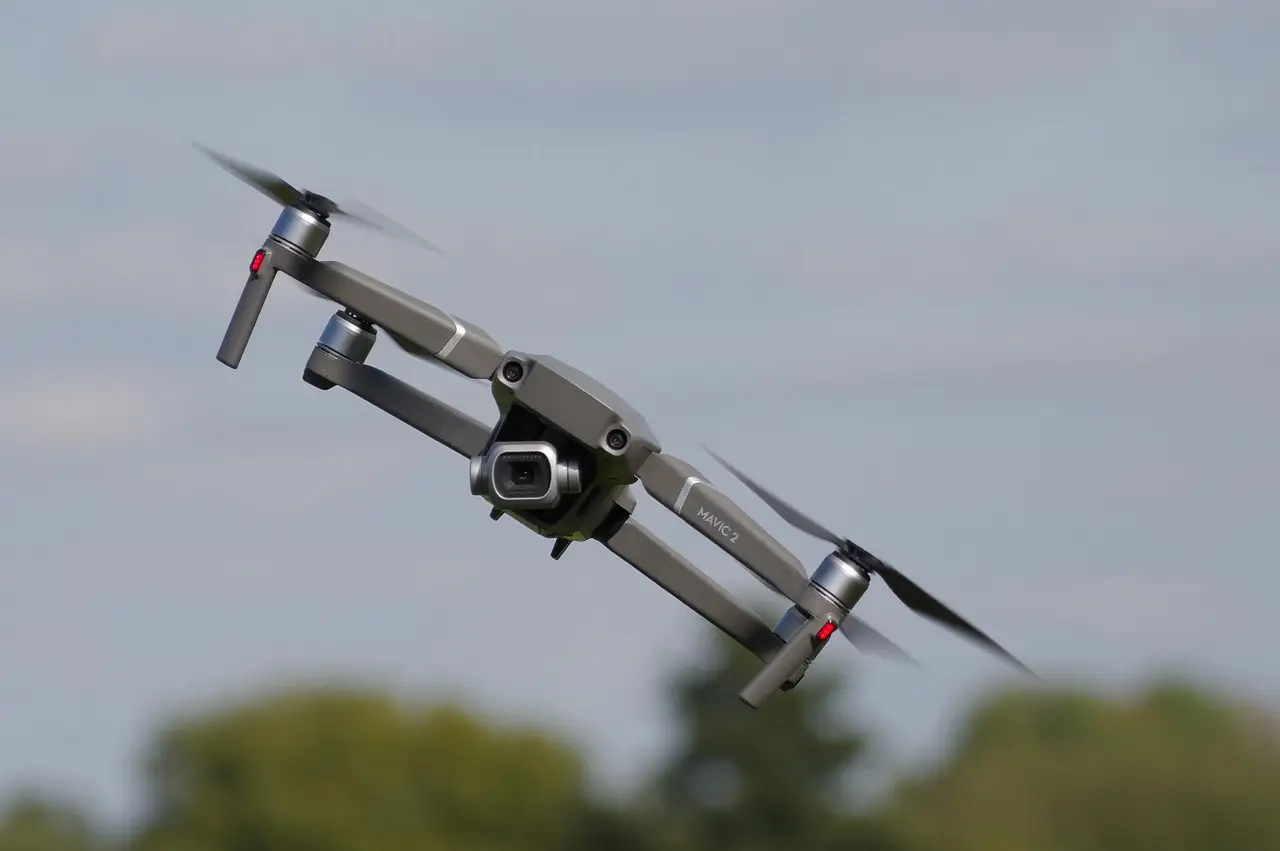
- Ring Drone Cam ships January 27th, 2027, priced at $249.99, nearly six years after the cancelled Always Home Cam was announced.
- The drone weighs 165 grams, records 2K video with a 148-degree lens, and flies 5-8 minutes per charge with an 8-minute recharge per flight minute.
- TAKE encryption rotates keys every five minutes and deletes Ring's copies after 24 hours.
- The $999.99 Ring Rover Cam business robot, built on Amazon's Astro, ships December 16th, 2026.
- The Drone Cam requires an internet connection; without Wi-Fi it can only land.
Ring says its Drone Cam will ship on January 27th, 2027, priced at $249.99 — almost six years after the company first announced a flying indoor camera, the Ring Always Home Cam, which never shipped at all. Ring founder Jamie Siminoff announced the date at a launch event in New York City this week, and The Verge got hands-on time with the device on site.
What does the drone actually do?
The Drone Cam patrols inside your home when you're not there. It reacts to triggers from Ring sensors — motion detection, a door opening, a water leak, or a sounding alarm — then flies along pre-programmed routes to a set location, where it livestreams and records to the Ring app. It can also run scheduled patrols or fly out on demand.
The camera captures 2K resolution video with a 148-degree field of view, and because it moves, it covers 360 degrees of any room. Ring's pitch is simple: one flying device replaces multiple stationary cameras while still showing you whatever's happening anywhere in the house during an incident.
How does it handle privacy?
The drone is indoor-only, and Ring has built its privacy case around three design choices. The camera is shuttered while the drone sits docked, so it only films in flight. It's loud — "noisy as heck," as the reporting puts it — so it can't sneak up on anyone. And footage is encrypted with Ring's new TAKE (Throw Away the Key) system, which rotates encryption keys every five minutes and deletes Ring's copies after 24 hours. That limits Amazon's access while still allowing cloud processing for smart alerts and AI-powered video search.
What did the hands-on show?
The Drone Cam is a completely different product from the 2020 Always Home Cam. At 165 grams, it's about a quarter the size of the model demoed at CES in 2023, with a small camera integrated into its body instead of dangling from the center. In a one-minute demo flight, it took off from its dock, hovered, and followed a pre-planned route around a simple living room layout with barely any wobble — taking off and landing several times over the session.
The flight-time math is the catch. Ring claims 5 to 8 minutes of flying per charge, and every minute of flight costs 8 minutes of charging. A five-minute flight needs roughly 40 minutes back on the dock. That suggests the product suits quick check-ins rather than continuous monitoring, and whether it truly replaces several fixed cameras remains an open question.
Ring says the drone can fly up stairs and uses LED spotlights to see in the dark and deter intruders, though the company didn't demo either. It navigates around obstacles it meets along its routes — but the demo included no obstacles, and how pets react to it is anyone's guess.
Why did it take so long?
Siminoff said Ring has developed the drone since 2016 and came close to shipping two different models before landing on this one. The struggle, he explained, was packing everything an autonomous indoor drone needs into a practical design for under $250. About a year ago, the team started from scratch: build a much more basic drone that flies reliably, and put its brains in the cloud.
The result is AI Pilot, a system that combines the drone's camera with vision models, sensors, and cloud processing to map the home and navigate autonomously while relying on pre-programmed routes. "Truly, it's like an AI agent that's controlling the robot," said Siminoff. The trade-off is total dependence on an internet connection — a real failure point for a security product. Without Wi-Fi, all the drone can do is land.
What else is in the Ring Robotics line?
The Drone Cam launches in the US only as part of a new Ring Robotics line, alongside the Ring Rover Cam — a $999.99 autonomous security robot for businesses built on Amazon's Astro home robot. The Rover also uses AI Pilot, is available for pre-order now, and ships starting December 16th, 2026.
Both devices work like any other Ring camera, streaming recorded video to the Ring app, and both require a Ring Protect plan for video storage and advanced features. They'll also integrate with Amazon's upcoming Alexa Home Map to understand the home's layout and where sensors sit.
One open item remains before January: Ring says the Drone Cam is "in the process of obtaining FCC certification." Asked about the FCC's ban on foreign-made drones, Siminoff said the device "does comply with" FCC regulations and noted it's assembled in the US.
Ring's cameras raised new privacy questions when they entered homes over a decade ago, and its recent technologies have fueled fears of enabling a surveillance state. An AI-piloted drone that maps your home, flies room to room, and depends on the cloud will sharpen those questions the moment it ships next year.
Source: theverge.com
More from James Calloway
Show full bio
Senior reporter covering regulation, policy and their impact on Product and interaction design, design systems at Interface Wire.
92 articles