Samsung and Google Gemini Glasses Start at $395, Launch in 2026
Samsung and Google’s Gemini smart glasses arrive in nine Warby Parker and Gentle Monster styles, priced from $395 to $449, with preorders opening November 12, 2026.
- AuthorSophie Lindqvist
- ChannelAI & Emerging Interfaces
- Filed
- Read3 min
- Preorders open November 12, 2026, with availability beginning December 10, 2026.
- Warby Parker models start at $395; Gentle Monster models start at $449.
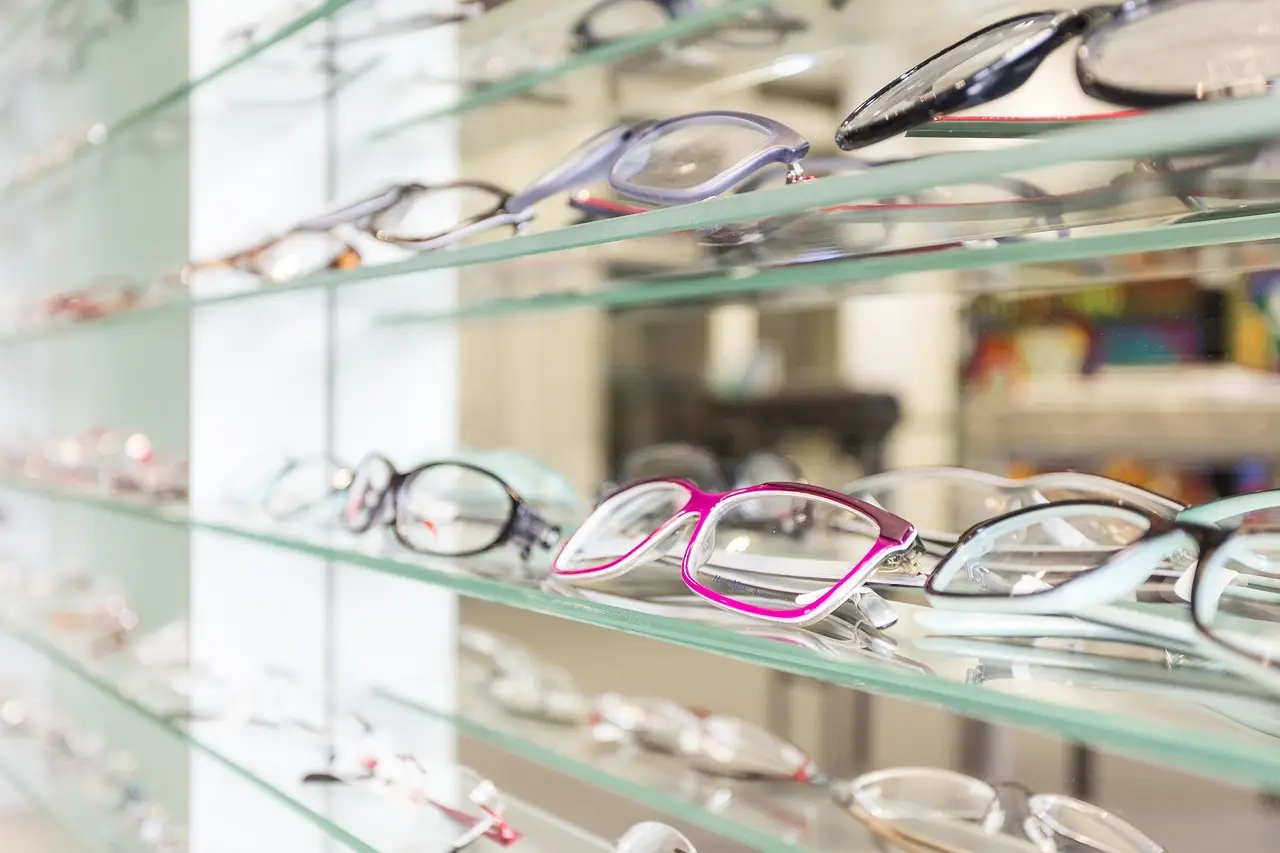
- The collection includes nine styles: three from Warby Parker and six from Gentle Monster.
- The glasses weigh 41 grams and run for up to 9 hours, with a case providing 7 full recharges.
- Gemini translates across 70 languages; privacy features include face redaction and a physical recording light.
By Sophie Lindqvist
Samsung and Google will open preorders for their Gemini-powered smart glasses on November 12, 2026, with availability beginning December 10 at $395 for Warby Parker models and $449 for Gentle Monster designs.
Which models reach stores?
Samsung and Google developed the product with eyewear partners Gentle Monster and Warby Parker, who will each sell through their own online stores and physical retail locations. The collection contains nine styles.
- Warby Parker: Three models named Alden, Reed and Ren start at $395. Each frame comes in multiple colors.
- Gentle Monster: Six designs start at $449 and offer a range of frame colors and lens options.
Optional customization and prescription lenses carry additional costs, although the announcement does not specify those charges.
How does Gemini work on the glasses?
Gemini can be activated by voice or touch. The assistant handles context-aware requests, including creating grocery lists, starting Google Maps navigation and translating conversations in real time across 70 languages. This gives translation and route guidance a hands-free path without requiring a separate handset action for each task.
- Navigation: Turn-by-turn directions come through Google Maps.
- Audio: Open-air speakers handle music, audiobooks and hands-free calls. Supported services include YouTube Music, Spotify and Apple Music.
- Device support: The glasses work with Android and iPhone devices. Android users receive launch-exclusive integration with Uber for ride requests and support for Audible audiobooks.
Google and Samsung also optimized the glasses for their Galaxy and Pixel device families, adding device-specific functionality within the Android ecosystem.
What does the hardware contribute?
The frame weighs 41 grams, a figure intended to support the announced all-day comfort goal. Samsung and Google rate the battery at up to nine hours of continuous use. The included charging case supplies up to seven full recharges, so the case contributes a defined reserve beyond the glasses’ own charge.
A 12MP ultrawide camera adds HDR and image stabilization for photo and video capture. Spatial audio supports the multimedia output, giving recorded material and other audio a wearable listening interface.
What do the privacy controls change?
Samsung and Google make four privacy commitments:
- Camera visuals are “not stored for AI training or targeted advertising purposes.”
- The system automatically redacts bystanders’ faces during AI processing.
- The announcement lists local capture safeguards, although it does not define their scope.
- A physical recording indicator light alerts nearby people when the camera is active.
The redaction changes what downstream AI receives, while the physical light exposes the camera’s active state to people nearby. The announcement does not provide a retention schedule for other processing or storage, so the storage promise should not be read as a blanket prohibition on saving captured images.
What does the accessibility claim establish?
Guided vision and ERA integration provide real-time visual assistance for people with visual impairments. The announcement names neither a Web Content Accessibility Guidelines (WCAG) 2.2 success criterion nor a conformance level, and it does not describe the tasks either feature supports.
That distinction matters because a named assistive function may help with a specific task without establishing broader accessibility compliance. Design teams evaluating the glasses would need task descriptions and test results before mapping “guided vision” or ERA to a particular WCAG 2.2 criterion.
How do they compare with Meta?
Meta’s glasses share real-time translation and guided vision. Meta offers human-assisted guidance, while ERA is presented as a comparable feature with a stronger accessibility focus. Gemini provides the clearest product distinction through its assistant and service integrations.
The announcement also positions the privacy controls and Android-exclusive functions as advantages over Meta’s offering. It supplies no head-to-head accuracy, latency or battery results, so that comparison remains a feature claim rather than measured performance.
On November 12, 2026, the first practical test will be whether nine styles, a 41-gram frame, up to nine hours of use, 70-language translation and visible privacy signals can hold up in daily routines.
Source: geeky-gadgets.com
More from Sophie Lindqvist
Show full bio
Staff writer covering people, launches and day-to-day practice in Product and interaction design, design systems at Interface Wire.
107 articles