Apple Needs a Separate iMessage Reaction Audio Toggle
AirPods users cannot mute spoken iMessage emoji reactions without silencing all incoming texts, while a 2024 RCS change largely restored reactions in Android group chats.
- AuthorRebecca Stone
- ChannelProduct Design
- Filed
- Read3 min
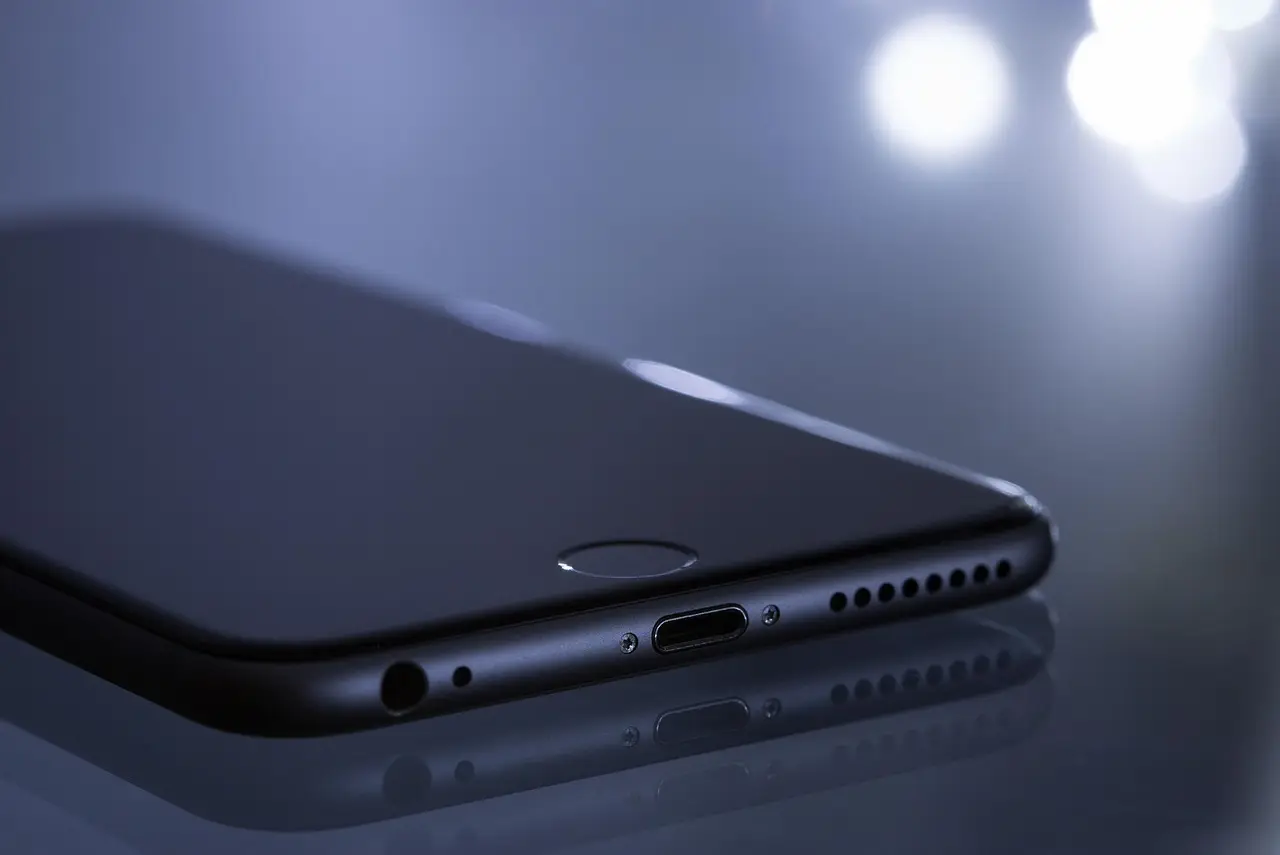
- AirPods read iMessage reactions aloud when a wearer receives an emoji response in a text conversation.
- Messages has no reaction-only audio switch; turning off all message announcements also silences genuine texts.
- Before 2024, mixed iPhone-Android chats delivered emoji reactions as separate messages.
- Apple adopted RCS in 2024, largely restoring reactions in green-bubble chats.
- The proposed control belongs in Notifications settings for the Messages app; no release date was announced.
AirPods currently offer no way to mute spoken iMessage emoji reactions without also muting every incoming text message.
An iMessage reaction—a thumbs-up confirming receipt or a heart acknowledging a baby photo—can trigger the same spoken notification path as a new text. The Business Insider columnist put the request plainly: “There should be a way to turn this off.”
The distinction matters because the two events carry different information. An incoming text can supply something actionable; a reaction usually confirms that someone saw the message or wants to express appreciation.
The column’s examples show when text announcements earn their interruption:
- While walking or grocery shopping, a message may say the household needs eggs.
- While listening to a podcast and doing dishes, the wearer may want to know that a message arrived.
- At the gym, an incoming text may also matter.
Those examples explain why disabling every message announcement would be costly. If the wearer turns off all message audio, a genuine request to pick up eggs no longer reaches the earbuds.
Reaction announcements solve a narrower problem. A thumbs-up can acknowledge a message without adding another sentence; a heart can acknowledge a baby photo. In a busy group chat, however, the repeated announcement adds little and can interrupt whatever the wearer is listening to.
The current control leaves a binary choice. Keep message announcements enabled and hear every reaction, or turn them off and miss texts that may contain useful information. There is no middle setting for reactions alone.
How did Android complicate the problem?
Before 2024, an iPhone user in a chat with someone on Android could receive emoji reactions as separate messages. One Android participant turned the familiar green-bubble chat into what the columnist described as full-on chaos, because each reaction appeared as its own message.
For years, that behavior led one friend in the author’s active group chat to mute the group and check in only rarely. The disruption changed the chat’s behavior: she withdrew from a conversation because separate reaction messages made acknowledgements look like new messages.
Apple largely fixed that compatibility problem in 2024 by adopting Rich Communications Services (RCS). With that change, green text bubbles could use emoji reactions normally, restoring the lightweight acknowledgement that had gone missing in mixed-device chats.
The 2024 repair addressed whether reactions could arrive as reactions. It did not give iPhone owners a way to control how those reactions sound through AirPods. Those are separate problems in separate layers: messaging compatibility and notification routing.
What would Apple need to change?
The proposed remedy is narrow. Add a switch in the Notifications settings of the Messages app that controls reaction announcements separately from ordinary text announcements.
That single setting would preserve useful spoken messages while silencing a heart or thumbs-up that the wearer does not need to hear. It would also reduce a recurring interruption during podcasts, household tasks, exercise and shopping, rather than asking users to turn off all audio alerts to avoid one noisy message type.
The columnist addressed John Ternus with a pointed request: “if you want to really make a splash as Apple CEO, I have a suggestion for you: fix this.” The intended fix is a user-facing notification control, not a change to how reactions or RCS work.
This remains a feature request, not an announced Apple initiative. The source gives no release date, software version or engineering commitment. The author had asked Apple whether the company was considering the option and said they would report back if it replied.
If Apple adds such a control, AirPods users could decide whether a message carries new information or merely acknowledges it. Until then, the distinction remains unavailable.
Source: feeds.businessinsider.com
More from Rebecca Stone
Show full bio
News editor covering technology and product news in Product and interaction design, design systems at Interface Wire.
79 articles