DOJ Alleges Lyft Denied Rides to Riders With Disabilities
The Justice Department seeks $53 million in a Monday lawsuit alleging Lyft denied rides to some passengers with disabilities and failed to prevent discrimination; Lyft disputes the claims.
- AuthorSophie Lindqvist
- ChannelAccessibility
- Filed
- Read3 min
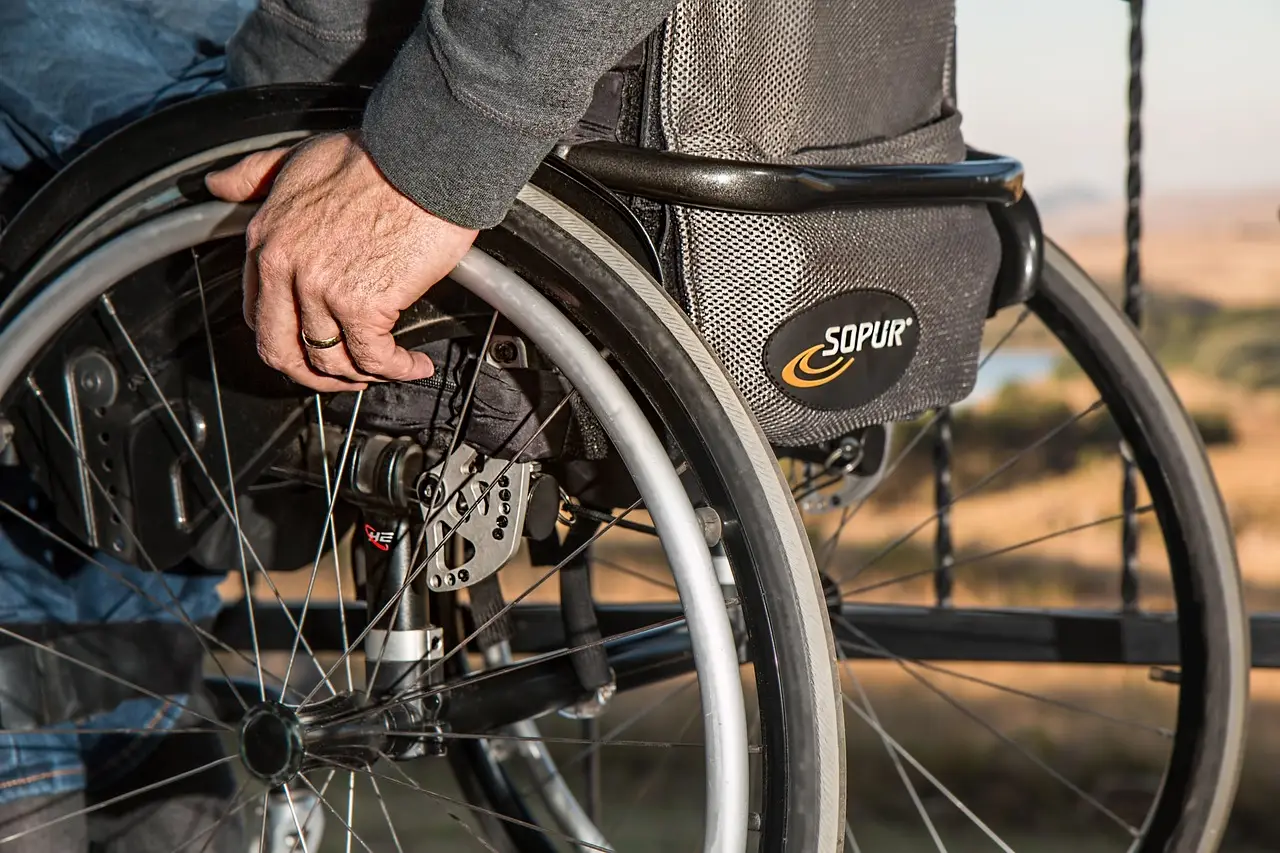
- DOJ filed suit against Lyft on Monday in the U.S. District Court for the Northern District of California.
- DOJ seeks $53 million for individuals who submitted discrimination complaints to Lyft or DOJ.
- The complaint identifies three alleged failures involving service animals, stowable wheelchairs and front-seat seating.
- Lyft says drivers who violate its accommodation policies can face permanent deactivation.
- A similar federal Uber case filed last year remains ongoing; Uber settled a separate suit in 2022 and Lyft settled another in 2020.
The Justice Department seeks $53 million in a federal lawsuit against Lyft, alleging discrimination against passengers with disabilities who seek rides through its platform. Filed Monday in the U.S. District Court for the Northern District of California, the case puts the ride request, driver pickup and required accommodation at the center of the dispute.
What does DOJ say about equal access?
Acting assistant attorney general Jesus A. Osete said: “Individuals with disabilities should be able to rely on rideshare services free of discrimination. We intend to uphold the ADA’s promise that people with disabilities are entitled to equal access in every part of public life, including essential transportation services.”
The statement places transportation access within the ADA’s promise of equal access in public life. For a product team, the claim reaches the handoff from ride request to pickup, where the promised accommodation must be delivered.
What does the lawsuit allege?
DOJ says Lyft knew about discriminatory practices but failed to prevent or remedy them. The suit concerns riders who need accommodations under the Americans with Disabilities Act (ADA).
The complaint identifies three alleged failures: denying rides to people with service animals, denying rides to people who use stowable wheelchairs, and refusing to let passengers with mobility issues sit in the front seat.
The alleged failures concern both the accommodation a rider needs and the driver’s conduct at pickup. The lawsuit names examples from across the country. In some cases, one driver refused to take the rider to the destination; in others, several drivers did so, including conduct as recent as last month.
Riders consequently encountered delays reaching medical appointments, cancellation fees and other problems, the suit says.
How do Lyft’s policies answer the complaint?
Lyft firmly rejected the accusations. Its policies require drivers to accommodate riders with service animals or mobility devices, the company said. Drivers who violate those policies can face serious consequences, including permanent deactivation.
Both Lyft and Uber describe in-app tools that require drivers to provide ADA accommodations and remind them of the consequences of refusing.
For practitioners, the distinction is operational: a policy states the rule, while the pickup tests it. The rider experiences the result only when a driver accepts the request and provides the accommodation. The complaint measures failure in completed trips, delayed medical appointments and cancellation fees.
Lyft said in a statement: “We’ve cooperated with the DOJ throughout its review and remain committed to serving every rider, including riders with disabilities.”
How does the case fit earlier government actions?
The suit is the latest federal action targeting ride-hailing companies over their treatment of would-be riders with disabilities. The administration filed a similar lawsuit against Uber last year, and that case remains ongoing. Uber settled a separate suit in 2022, while Lyft settled a different one in 2020.
The chronology places the new complaint beside an unresolved federal case and two earlier settlements. It gives the current dispute a clear operational test: whether the safeguards companies describe can prevent the refusals described in the complaint.
What changes for riders?
DOJ says it is seeking $53 million for individuals who have experienced discrimination and submitted complaints to Lyft or the department.
For riders, the measurable outcomes are concrete: a completed trip instead of a refusal, a medical appointment reached without delay, and no cancellation fee generated by a driver’s decision not to carry the passenger.
If the case advances, the operational test for Lyft is whether its policies and in-app reminders can make an accommodation request end in a completed journey rather than a refusal at pickup.
Source: fastcompany.com
More from Sophie Lindqvist
Show full bio
Staff writer covering people, launches and day-to-day practice in Product and interaction design, design systems at Interface Wire.
84 articles