Google Wallet Adds Digital Home Keys for Smart Locks
Google Wallet now unlocks smart locks via NFC tap or UWB approach, in public preview in the Google Home app ahead of a full rollout within weeks.
- AuthorSophie Lindqvist
- ChannelProduct Design
- Filed
- Read3 min
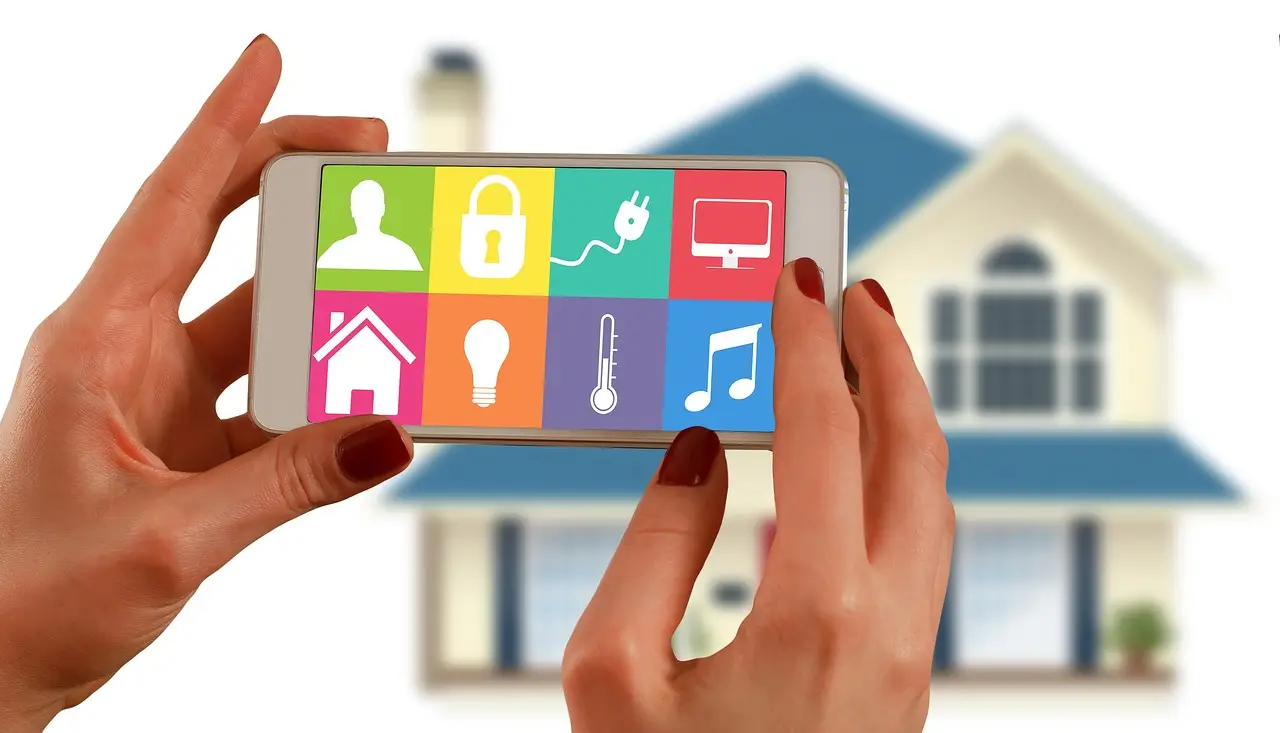
- Google Wallet digital home keys are available now in public preview in the Google Home app, with full rollout 'over the coming weeks.'
- The feature uses NFC tap and Ultra-Wideband approach-based unlocking with compatible smart locks.
- The Aqara u400 is one of the few smart locks that currently supports Google Wallet digital home keys.
- Apple and Samsung users have had wallet-based smart lock unlocking for some time before Google's release.
Google Wallet can now unlock compatible smart locks, the company has confirmed, ending a gap that left Android users watching Apple and Samsung customers open doors with a tap while they reached for keys or opened an app. The feature is live today in public preview inside the Google Home app, and Google says it will reach all users "over the coming weeks."
The mechanism matters as much as the milestone. The update lets phones use their Near Field Communication (NFC) and Ultra-Wideband (UWB) hardware with compatible locks. In practice, that translates into two interaction patterns: a deliberate tap of the phone against the lock, or an approach, where the door unlocks as the user walks up to it without any gesture at all. The second pattern depends on UWB, the radio technology that measures distance with enough precision to know a phone is moving toward the lock rather than standing nearby.
What changes inside the Google Home app?
Google Home already offered some unlocking functionality before this release. The update changes where the credential lives and how it reaches the lock. By placing digital home keys in Google Wallet, Google moves door access into the same container that already holds payment cards, transit passes and loyalty cards, on hardware-level infrastructure that supports tap-to-authenticate interactions.
For practitioners building smart home experiences, the pattern shift is concrete:
- Unlock moves from an in-app action, which requires waking the phone, finding the app and tapping a button, to a system-level gesture: tap or approach.
- The credential becomes a Wallet item rather than a device- or app-specific permission.
- Interactions can occur from the lock screen context, closer to how Apple Home Key and Samsung's digital key have behaved for some time.
Which locks work today?
Support remains narrow. The Aqara u400 is one of the few smart locks that currently works with Google Wallet's digital home keys, which signals that lock makers must build compatibility deliberately rather than receive it automatically. Buyers evaluating hardware should treat home key support as a stated specification, not a default assumption, and check the lock's documentation before purchase.
The competitive context frames the release. Apple users have had home key unlocking in Apple Wallet for years, and Samsung has offered digital keys for smart homes on its own devices. Google's arrival makes the tap-to-unlock pattern available across the three major phone ecosystems, which in turn gives lock manufacturers a stronger reason to ship support for wallet-based credentials on every platform rather than picking one.
Why the public preview matters
Google has staged the rollout rather than shipping it all at once. Public preview status means the feature reaches a subset of Google Home app users first, a period during which Google typically validates reliability before general availability. The company's stated timeline, "over the coming weeks," puts full rollout on a near-term horizon without a fixed date.
For Android users already inside the Google Home ecosystem, the practical checklist is short: confirm the phone carries NFC and UWB hardware, confirm the lock appears on the compatibility list, and wait for the Wallet integration to reach the account. As compatible lock models accumulate, approach-based unlocking through UWB looks set to become the default expectation for how a front door behaves when its owner walks up to it.
Source: theverge.com
More from Sophie Lindqvist
Show full bio
Staff writer covering people, launches and day-to-day practice in Product and interaction design, design systems at Interface Wire.
107 articles