Sony's $60 MDR-3R Rewires a 1979 Walkman Classic for USB-C
Sony's $60 MDR-3R revives the 1979 Walkman-era headband design with USB-C, an inline controller, more bass, and swappable orange and blue earpads.
- AuthorRebecca Stone
- ChannelProduct Design
- Filed
- Read3 min
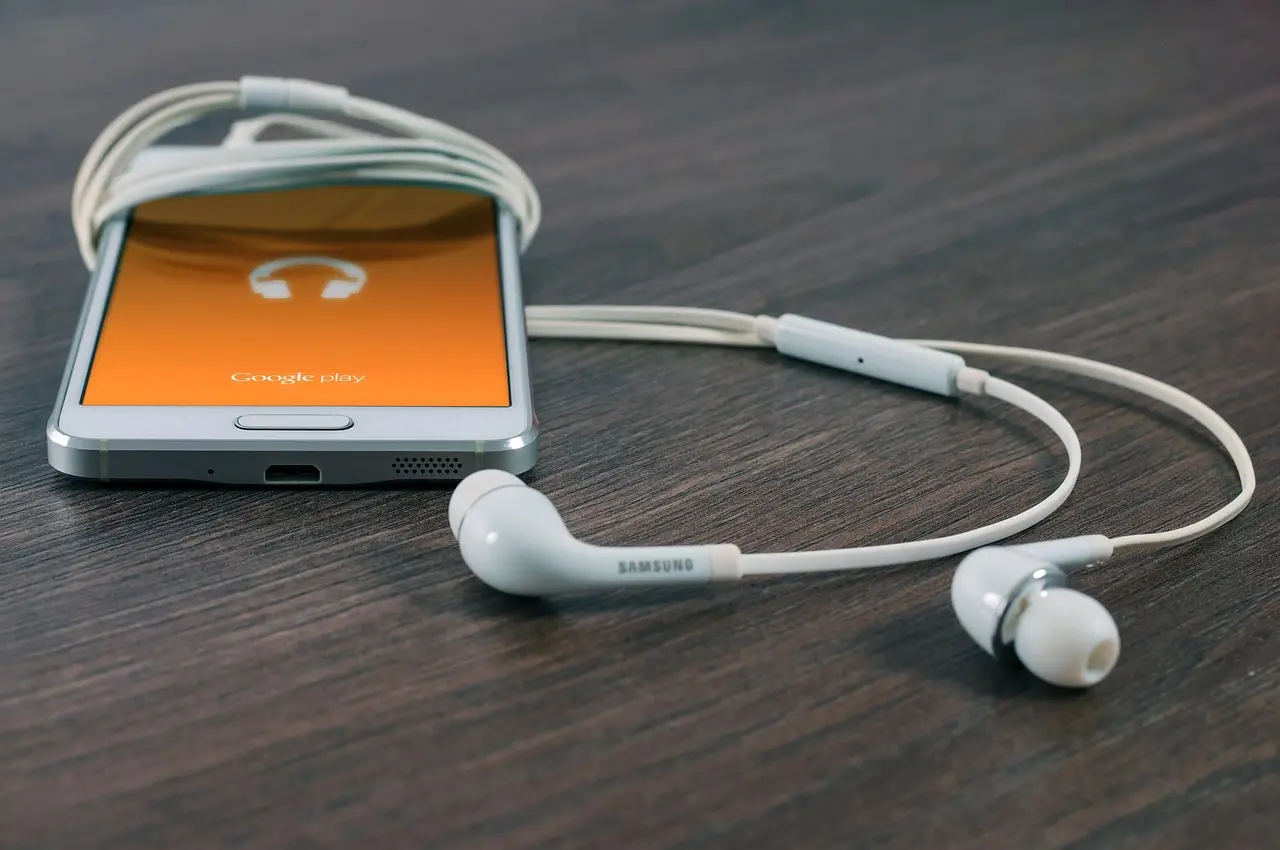
- Sony's MDR-3R costs $60 and revives the MDR-3 design that launched with the original Walkman in 1979.
- The cable now terminates in USB-C rather than minijack and carries an inline controller.
- Drivers have been updated for more bass; the headphones ship with orange and blue swappable earpads.
- The release counters wireless-era pain points — charging, losing earbuds, Bluetooth pairing — since Apple launched AirPods in 2016.
Sony is selling a $60 pair of wired headphones whose design last appeared on store shelves alongside the original Walkman in 1979. The MDR-3R is a near-clone of the MDR-3, the headband model that shipped with the first portable cassette player, and its arrival says something awkward about where headphone design has landed.
The timing is the strange part. Apple released the first AirPods in 2016, and at the time they looked like the endpoint of headphone evolution — no cables, no jack, nothing to snag. That was nine years ago. Since then, as Core77 reports, the trend line has bent the other way, and for reasons that are less about audio quality than about daily friction.
Why would anyone buy wired now?
The pain points are mundane. Earbuds are another device to charge in a day already crowded with charging. They're small, easy to drop, easy to lose. Bluetooth pairing still fails occasionally — not often, but often enough to be remembered. And a separate, influencer-driven current has pushed a cohort of consumers toward retro objects that recall, in the source's phrasing, a simpler time.
Sony's answer strips all of that away. The MDR-3R has no battery, no pairing sequence, and no risk of a bud rolling under a subway seat. What it does have is a cable — now terminated in USB-C rather than the 3.5mm minijack of the original — with an inline controller added along its length. Inside, the drivers have been updated to produce more bass. Outside, everything else reads as straight 1980s: the headband, the ear cups, the proportions, the whole silhouette.
What carries over from 1979?
Functionally, the design brief is fidelity. These are the same headphones you saw on people's heads in the 1980s, with two concessions to the present: the connector standard and the low-end response. There's no mention of noise cancellation, no companion app, no adaptive anything — a spec sheet that would have been unremarkable in 1985 and reads almost radical now.
The one genuinely playful touch is cosmetic. The MDR-3R ships with two sets of earpads, orange and blue, which Sony says you'd swap "to suit your mood and attire." That's a direct lift of the color play that surrounded the Walkman era, when personal audio was as much a fashion statement as a gadget category.
And don't assume the target buyer remembers any of it firsthand. Sony's launch video makes clear which demographic the company is aiming at, and it isn't the Gen-Xers who actually wore the originals. The pitch is retro as style, not retro as memory — the 1979 aesthetic sold to people for whom 1979 is a mood board rather than a childhood.
Does a $60 wired headphone make sense in 2025?
As a product, the MDR-3R is a hedge against the accumulated annoyances of wireless: the charging, the losing, the pairing. At $60, it costs less than a single replacement AirPod and asks nothing of its owner except a device with a USB-C port — which, since the European Union forced the standard on manufacturers, is nearly every new phone and laptop.
It's also a design bet that the retro cycle has reached audio's foundational object. Fashion revived vinyl, then film cameras, then flip phones. Headphones were the obvious next stop, and Sony holds the original inventory of that visual language. Expect other manufacturers to test whether nostalgia, a USB-C port, and a sub-$100 price can do what a decade of wireless convenience could not: bring the cable back.
Source: feeds.feedburner.com
More from Rebecca Stone
Show full bio
News editor covering technology and product news in Product and interaction design, design systems at Interface Wire.
95 articles