Hyundai and Kia Open UX Research Studio in Shanghai
Hyundai Motor and Kia have opened a UX research studio in Shanghai, moving interface testing closer to Chinese drivers and the world's largest car market.
- AuthorJames Calloway
- ChannelUX Research
- Filed
- Read2 min
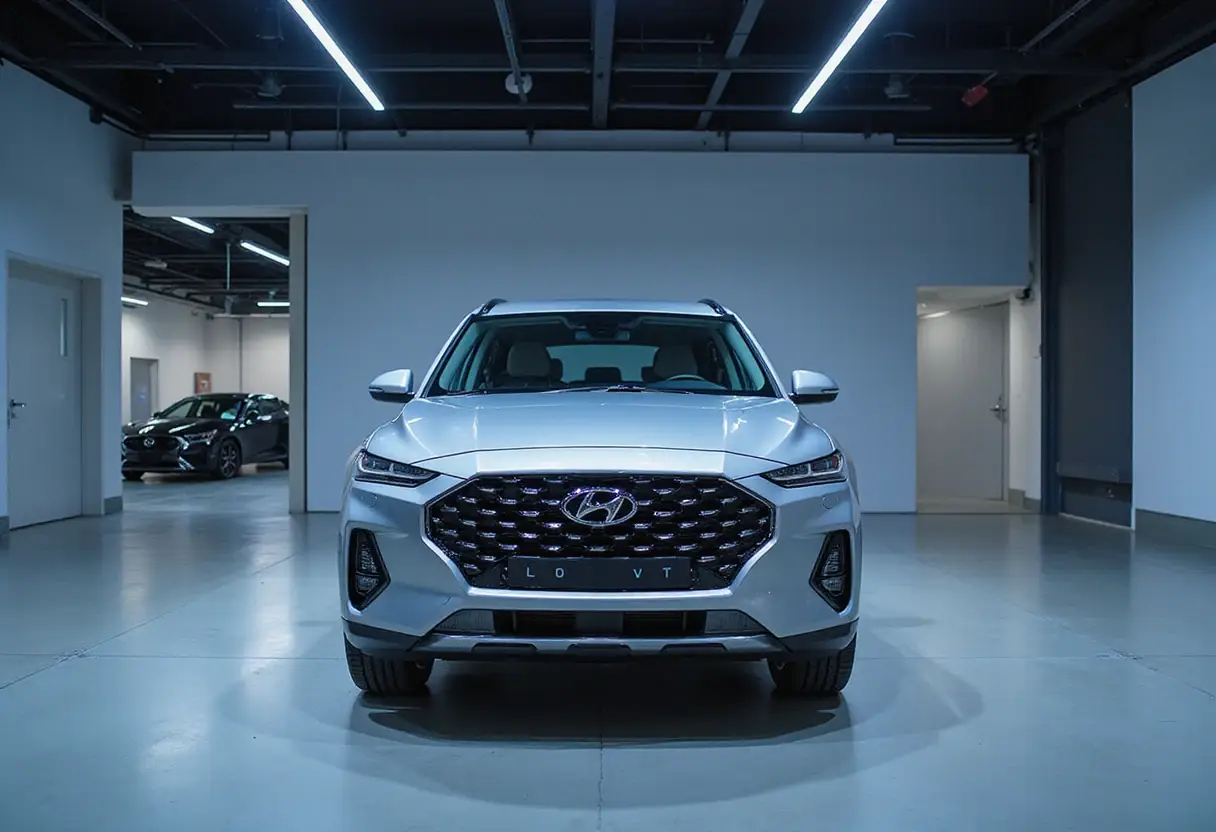
- Hyundai Motor and Kia opened a joint UX research studio in Shanghai.
- The studio supports local research into in-car interfaces for the Chinese market.
- The move places the automakers' UX testing inside the world's largest car market.
- No staffing figures or first studies have been announced yet.
Hyundai Motor and Kia have opened a user experience research studio in Shanghai, a move that puts their interface testing work within reach of one of the world's most demanding digital-vehicle markets.
The studio gives both brands a permanent local base for studying how Chinese drivers actually use in-car software — the infotainment flows, driver-assistance displays and connected-service touchpoints that increasingly decide whether a car sells. Rather than flying researchers in for periodic studies, the companies can now run continuous observation with local participants, on local roads, against local app ecosystems.
That distinction matters for anyone who designs automotive interfaces. Chinese buyers expect deep integration with domestic services, voice interaction tuned to local language patterns and update cadences closer to smartphone norms than traditional automotive release cycles. A research presence in Shanghai shortens the loop between observing those expectations and changing the software that answers them.
For UX practitioners, an embedded studio of this kind typically changes the workflow in three ways:
- Longitudinal studies replace one-off usability tests, since the same participant pool can be revisited across software updates.
- Findings reach product teams faster, cutting the travel-and-translation lag that separates overseas research from engineering decisions.
- Prototype testing can run on local hardware and network conditions, the environment where the interface will actually live.
Hyundai Motor Group has spent the past several years pushing software-defined vehicle development and expanding its footprint in China, the world's largest car market. The Shanghai studio slots into that broader effort: localizing not just the product but the research practice that shapes it.
Neither automaker has announced specific studies, staffing figures or a first research milestone tied to the studio. What the opening signals is structural — a bet that interface quality in China is now decided by proximity to users, not by remote insight. Expect the first observable outcomes to surface in the Chinese-market versions of their infotainment platforms over the coming model cycles.
Source: Google News: UX research
More from James Calloway
Show full bio
Senior reporter covering regulation, policy and their impact on Product and interaction design, design systems at Interface Wire.
63 articles