Rally UXR Puts AI Enhancements at the Center of Its Research Platform
Rally UXR has emphasized AI-driven enhancements to its UX research platform, signaling a roadmap weighted toward automated analysis workflows for research teams.
- AuthorSophie Lindqvist
- ChannelUX Research
- Filed
- Read2 min
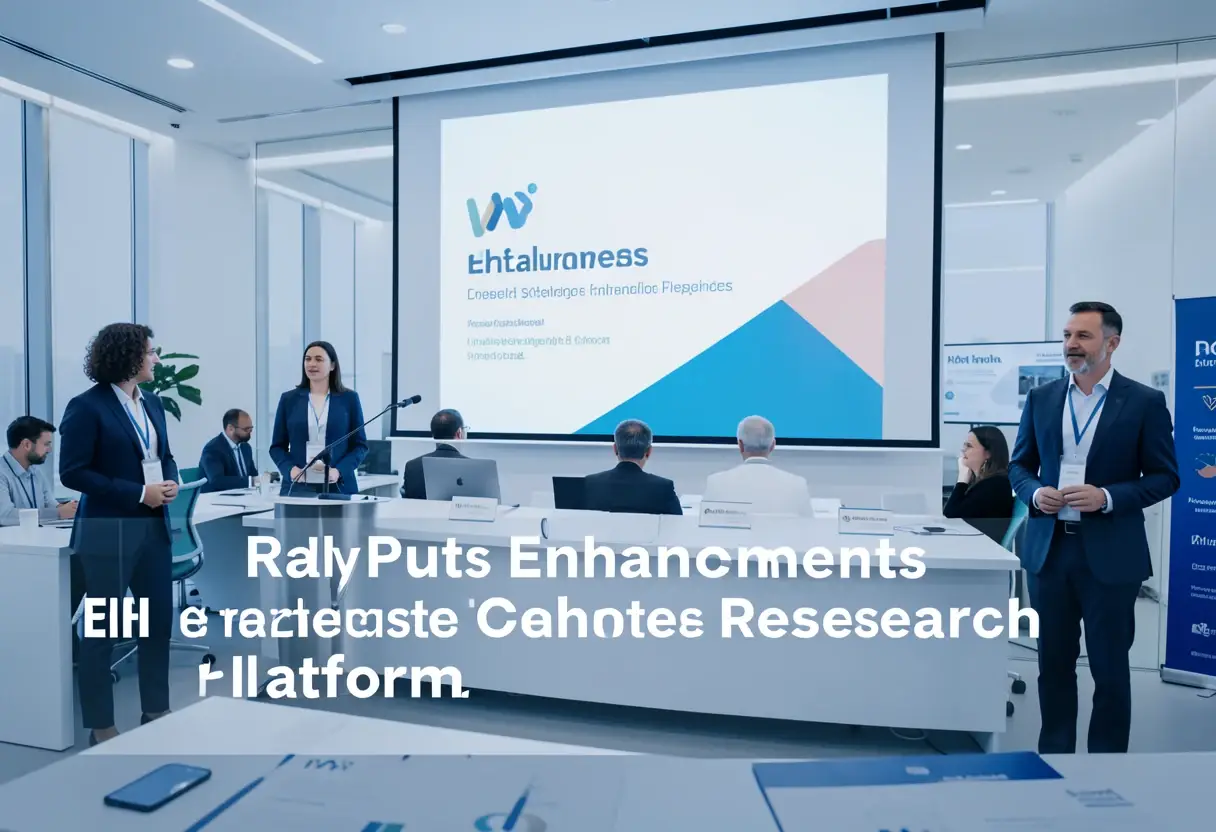
- Rally UXR has publicly emphasized AI-driven enhancements to its UX research platform
- The emphasis places AI-assisted workflows at the center of the vendor's product messaging
- The announcement signals roadmap priorities for research teams evaluating or renewing the platform
- Detailed feature documentation and data-handling specifics remain outstanding questions for buyers
Rally UXR has publicly emphasized AI-driven enhancements to its UX research platform, placing automated analysis and machine-assisted workflows at the center of its product messaging. For research teams that use the platform, the announcement signals where the vendor intends to invest: features that reduce the manual labor between collecting participant data and delivering findings.
The company's emphasis arrives as AI assistance becomes a baseline expectation in research tooling rather than a differentiator. Platforms in this category now compete on how much of the transcript-to-insight pipeline they can compress — tagging, summarization, theme detection, and highlight extraction — before a human researcher touches the material.
What does the announcement change for practitioners?
For teams already on Rally UXR, the emphasis suggests the roadmap will prioritize AI-assisted processing of research data over additions to recruitment, panel management, or reporting surface area. That is a meaningful signal for research operations leads who plan tooling budgets on a yearly cycle: when a vendor names AI as its emphasis, buyers should evaluate how the resulting features will fit established quality-control workflows.
Research teams will still need to verify AI-generated output. Machine-generated themes and summaries can compress hours of analysis into minutes, but the researcher remains responsible for checking that automated coding reflects what participants actually said. Any team adopting these enhancements should pair them with a review step before findings reach stakeholders.
Why does this emphasis matter now?
UX research platforms face pressure from two directions. Buyers want faster turnaround on studies, and stakeholders want findings that arrive while decisions are still open. AI-driven features are the most direct technical answer to both pressures, because they target the slowest stage of the research process: manual analysis of sessions, notes, and open-ended responses.
Rally UXR's decision to make AI the headline of its platform messaging places it in step with the wider market shift. The risk for vendors is that AI features become table stakes; the opportunity for practitioners is that competition drives faster, cheaper analysis tooling toward the mid-market.
What should teams watch next?
Teams evaluating or renewing Rally UXR should watch for specifics in three areas:
- Which stages of the research workflow the AI enhancements actually cover, from session capture to final reporting
- What transparency the platform offers into how AI-generated summaries and tags are produced
- How the vendor handles participant data processed by AI components, a question that procurement reviews increasingly ask directly
Until the company publishes detailed feature documentation, the announcement functions as a directional statement rather than a release note. Researchers should treat it as a prompt to ask the vendor concrete questions about capability boundaries and data handling during their next review cycle.
If the emphasis translates into shipped features that compress analysis time without hiding the underlying evidence, Rally UXR will strengthen its position among teams that run high volumes of qualitative sessions and need insight turnaround measured in days rather than weeks.
Source: Google News: UX research
More from Sophie Lindqvist
Show full bio
Staff writer covering people, launches and day-to-day practice in Product and interaction design, design systems at Interface Wire.
64 articles